What is Sinker Redwood?
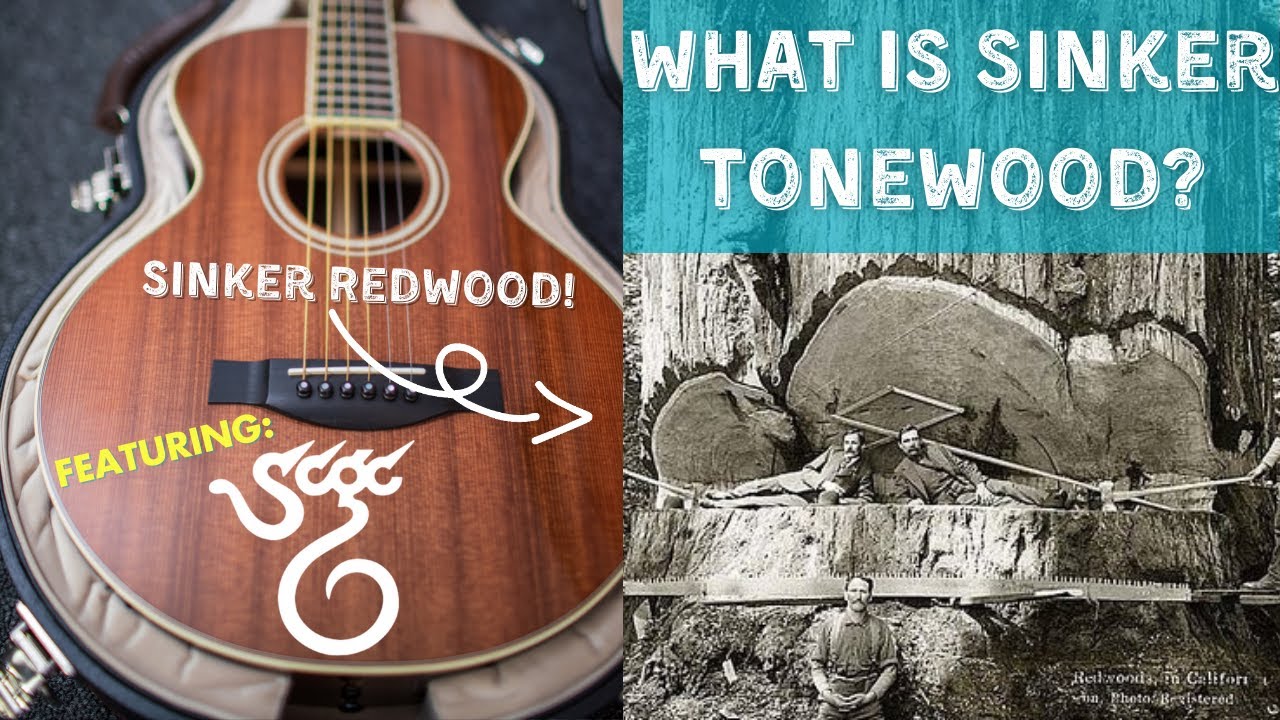
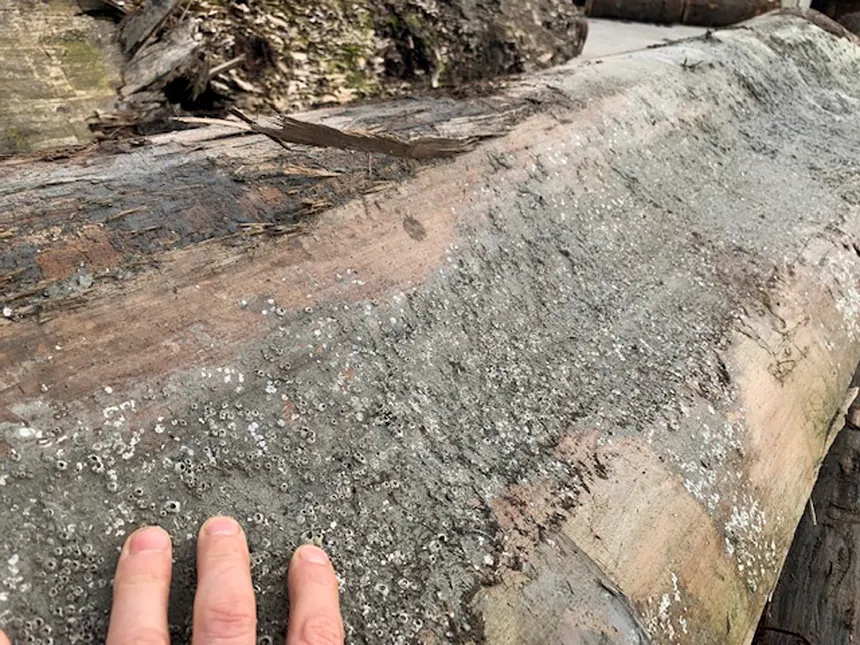
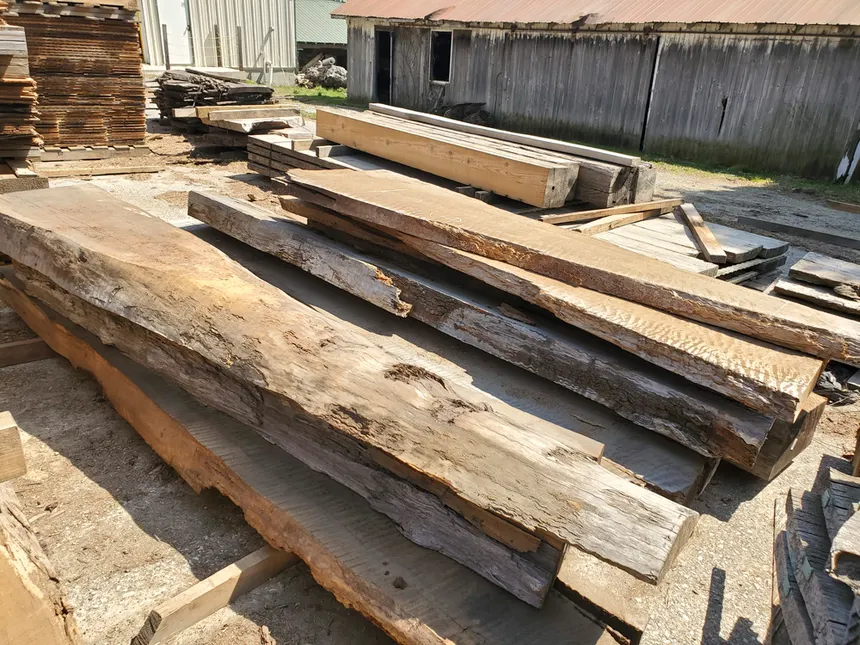
Sinker redwood refers to old-growth redwood logs that sank to the bottom of rivers or other bodies of water during logging operations, primarily in the 19th and early 20th centuries, and have been preserved underwater. These logs, often from massive coastal redwoods (Sequoia sempervirens), are prized for their unique aesthetic and acoustic properties, making them a sought-after tonewood for musical instruments like guitars and ukuleles. The extended submersion in mineral-rich water imparts distinctive coloration and tonal qualities to the wood.
Origin and History
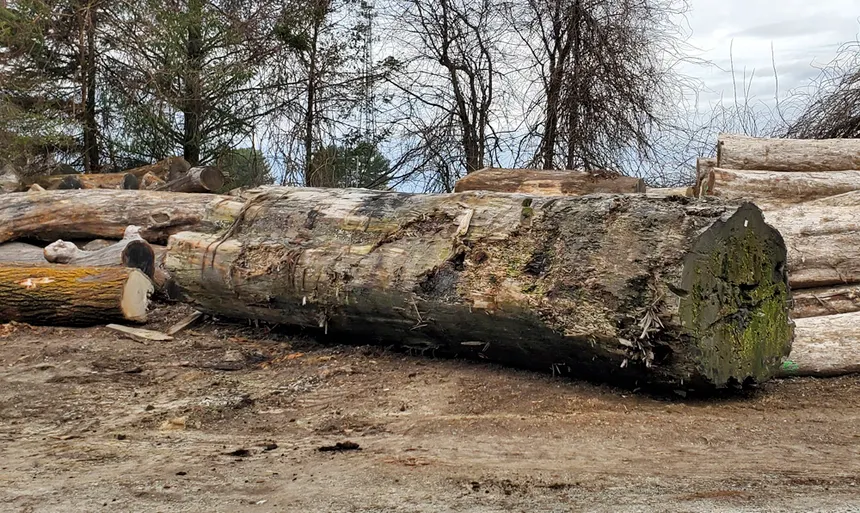
Sinker redwood originates primarily from the rivers of Northern California, such as the Big River near Humboldt Bay, where large-scale logging of old-growth redwoods occurred from the mid-1800s to the early 1900s. During this period, loggers felled enormous redwood trees—some reaching heights of 115 meters (375 feet) and diameters of 9 meters (30 feet)—and floated the logs down rivers to sawmills. It’s estimated that up to a quarter of these logs sank due to their density or became entangled in riverbanks, where they remained submerged. The lack of oxygen underwater prevented decay, preserving the wood while allowing it to absorb minerals and tannins, which created unique color patterns, such as purple, black, pink, and orange streaks. In some cases, logs were also carried out to sea and later washed ashore, as noted in a story about a piece of redwood found on a beach near Portland, Oregon. Since the 1990s, conservation laws have restricted the harvesting of remaining old-growth redwoods, making sinker redwood a valuable reclaimed resource. Salvaging began in earnest in recent decades as luthiers and woodworkers recognized the wood’s potential.
How Many Logs Are Still Underwater?
Precise numbers are difficult to estimate due to the vastness of river systems and varying conditions, but reports suggest significant quantities remain. For example, a scuba diver working on California’s Big River noted that the riverbed was “filled with old-growth redwood,” describing “massive logs going down into the mud as far as you can see,” potentially representing thousands of years’ worth of wood. In Belize, it’s claimed there may be more sinker mahogany logs in rivers than standing trees, hinting at hundreds of thousands of logs. While no specific count exists for sinker redwood, the scale of historical logging and the percentage of logs lost (25% or more) suggest that thousands, if not tens of thousands, of redwood logs could still lie submerged in California’s rivers and bays.
Issues with Retrieving Sinker Redwood Logs
Retrieving sinker redwood logs is a challenging and costly endeavor, presenting several obstacles:
-
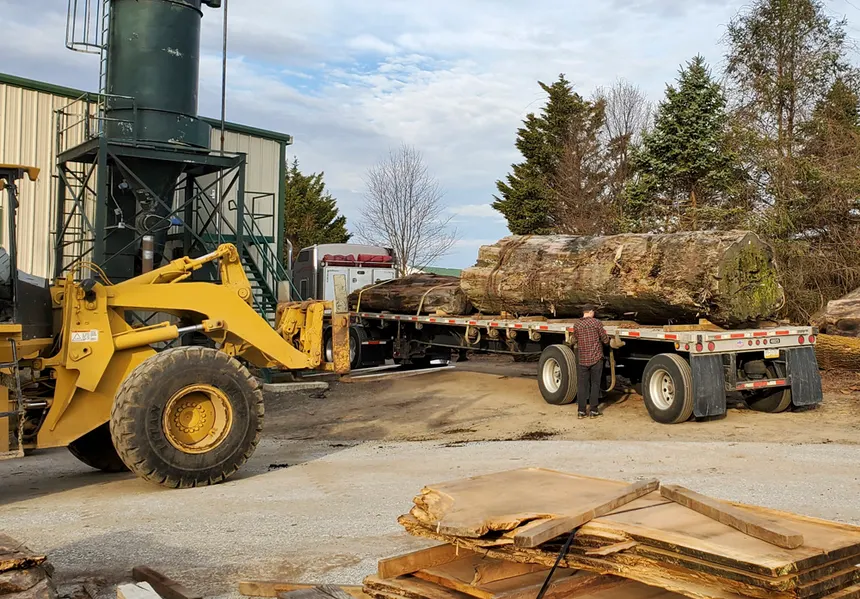
Physical Difficulty and Danger: Logs are often embedded in riverbed mud or entangled in roots and debris, requiring divers to work in murky, low-visibility waters with hazards like strong currents, alligators, or snakes. For example, divers in South Carolina’s Edisto River struggled to dislodge a massive cypress log from the muck. The process often involves scuba diving, sonar, or manual inspection, followed by labor-intensive efforts to secure and lift heavy logs, some weighing hundreds of pounds or measuring up to 30 feet long.
-
Cost and Permits: Salvaging requires significant investment. In South Carolina, an annual recovery permit costs $500 for residents and $1,000 for non-residents, plus $8,000–$10,000 for a submerged cultural resource survey to map riverbeds for artifacts. Expired permits can lead to fines, as noted in a case where salvagers operated with a permit three days out of date. Equipment like barges, sonar, and cranes further increases costs.
-
Environmental and Legal Restrictions: Conservation laws, such as those enacted in California in the mid-1990s, prohibit removing logs from certain areas to protect aquatic ecosystems. For instance, logs in Humboldt Bay could only be salvaged during a government-approved dredging operation. These restrictions limit access to remaining logs.
-
Verification Challenges: Ensuring wood is genuinely “sinker” can be difficult, as some logs may not show clear signs of submersion. This skepticism affects market trust and pricing.
Musical Properties of Sinker Redwood
Sinker redwood is highly valued as a tonewood for acoustic instruments due to its unique sonic characteristics, which result from its age, tight grain, and mineral absorption during submersion. Key properties include:
-
Tone: Described as “cedar on steroids,” sinker redwood produces a bold, resonant sound with warm overtones similar to Western red cedar but with greater volume and brightness. It is highly responsive to light touch, making it ideal for fingerstyle playing, though it may compress under heavy strumming. The wood’s density, increased by mineral absorption, contributes to a brighter, more dynamic, and expressive tone compared to non-sinker redwood, with pronounced harmonics and faster note bloom.
-
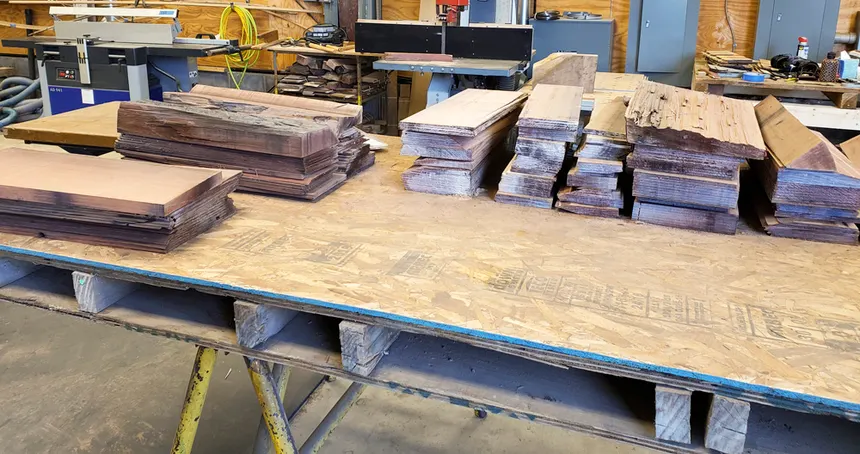
Aesthetic Appeal: The wood’s striking variegation—featuring purple, black, pink, and orange streaks—enhances its visual appeal, making it a favorite for high-end instruments.
-
Challenges: Sinker redwood is denser and more brittle than regular redwood, especially when thicknessed to 2.5mm or less, making it prone to cracking or denting, similar to cedar. Careful construction and maintenance are required to prevent damage.
-
Applications: Used by luthiers like Martin, Taylor, Santa Cruz, Lowden, and Furch for guitar tops, sinker redwood pairs well with back and side woods like rosewood or mahogany. It’s also used in ukuleles and other stringed instruments, with some claiming it rivals the quality of “Golden Era” tonewoods.
Skepticism and Considerations
Some luthiers question whether submersion inherently improves the wood, arguing that good wood remains good regardless of being underwater. The high cost of sinker redwood, due to retrieval challenges and limited supply, can also deter its use unless the visual or tonal benefits justify the expense. Additionally, claims about submersion “polymerizing resins” or dissolving sugars lack clear scientific backing, as water may delay resin hardening rather than accelerate it.
In summary, sinker redwood is a rare, ecologically salvaged tonewood with a rich history tied to California’s logging past. Its retrieval is fraught with challenges, but its unique tonal and visual qualities make it a prized material for musical instruments, provided its brittleness is carefully managed.