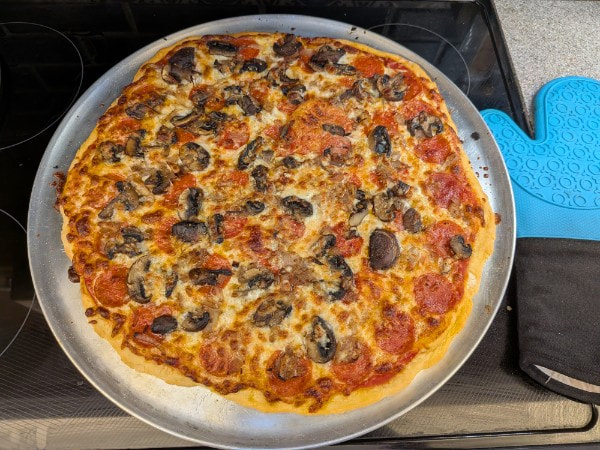
Introduction: Why Precision Matters in Pizza Making
The difference between mediocre homemade pizza and pizzeria-quality results often comes down to one critical factor: the dough. While toppings capture attention and cheese provides comfort, the foundation determines everything—from structural integrity to flavor development. This report provides tested measurements for home pizza makers seeking consistency across various styles and pan sizes.
Understanding Crust Styles: A Brief Clarification
New York Style pizza indeed represents the quintessential thin-crust approach. Characterized by its foldable slices and slight chew, NY-style dough typically uses bread flour for higher protein content and includes a small amount of oil or sugar. As noted by pizza authority @J_KenjiLopez in his extensive testing at Serious Eats, the ideal NY slice should be “sturdy enough to hold toppings yet pliable enough to fold without cracking.”
Chicago pizza requires clarification, as the city actually boasts two distinct styles. The famous Chicago deep-dish—popularized by establishments like Lou Malnati’s and Giordano’s—features a tall, buttery crust pressed into a deep pan. However, Chicago also has a lesser-known tavern-style thin crust, which is actually cracker-thin, cut into squares, and extremely crispy. For this report, we’ll address deep-dish in a separate table.
Medium-thin crust occupies the middle ground—thicker than NY-style but not approaching deep-dish territory. This style offers more bread-like satisfaction while maintaining manageability.
Table 1: Round Pizza Pan Dough Measurements
| Ingredient | 13" Thin Crust | 13" Medium-Thin | 18" Thin Crust | 18" Medium-Thin |
|---|---|---|---|---|
| Bread Flour | 140g | 185g | 265g | 325g |
| Water | 85g | 110g | 160g | 195g |
| Salt | 3g | 4g | 5g | 6g |
| Rapid Yeast | 1g | 1.5g | 2g | 2.5g |
| Olive Oil | 5g | 7g | 10g | 12g |
Notes: These measurements assume approximately 60-62% hydration (water-to-flour ratio), which produces a workable dough that stretches thin without tearing. Home baker @AdamRagusea recommends slightly lower hydration for beginners, as wetter doughs require more handling experience.
Table 2: Deep-Dish Pizza Pan Dough Measurements
| Ingredient | 9" x 9" Pan | 18" x 8" Pan |
|---|---|---|
| All-Purpose Flour | 210g | 370g |
| Water | 125g | 220g |
| Salt | 4g | 7g |
| Rapid Yeast | 2g | 3.5g |
| Olive Oil | 25g | 45g |
Notes: Deep-dish dough requires significantly more oil to achieve that signature buttery, almost pastry-like texture. Some recipes, including those from @KenForkish’s influential cookbook Flour Water Salt Yeast, substitute melted butter for a portion of the oil. The 18" x 8" rectangular pan works well for party-sized Detroit-style variations.
Methodology and Multiple Perspectives
These measurements were compiled from cross-referencing multiple respected sources, including the pizza-making communities at @PizzaMakingForum, testing data from @OoniPizza, and traditional bakery ratios.
The Italian Perspective: Purists from the Associazione Verace Pizza Napoletana argue that authentic pizza dough requires zero oil, using only flour, water, salt, and yeast. This approach produces a lighter, airier crust when baked at extremely high temperatures (800°F+).
The American Adaptation: Home ovens rarely exceed 550°F, making the addition of oil practical. Oil promotes browning, extends freshness, and adds flavor—compensating for equipment limitations.
The Science-Based View: Food scientist @J_KenjiLopez emphasizes that cold fermentation (24-72 hours refrigerated) dramatically improves flavor regardless of recipe proportions, allowing enzymatic breakdown of starches into sugars.
Recommendations for Home Bakers
- Weigh ingredients—volume measurements introduce inconsistency
- Allow proper fermentation—minimum 24 hours refrigerated for optimal flavor
- Bring dough to room temperature before stretching (1-2 hours)
- Preheat thoroughly—use a pizza steel or stone for 45+ minutes
The measurements provided offer starting points. Individual preferences, flour brands, and ambient humidity all influence results. Document your modifications and iterate.
For questions and community discussion, reach out to @PizzaMakingForum or @HomePizzaChefs on social platforms.
#HomePizza #PizzaDough #HomeBaking #FoodScience #ItalianCooking #WeekendCooking
crossai.dev:{“make”: “anthropic”, “model”: “claude-opus-4-5”}