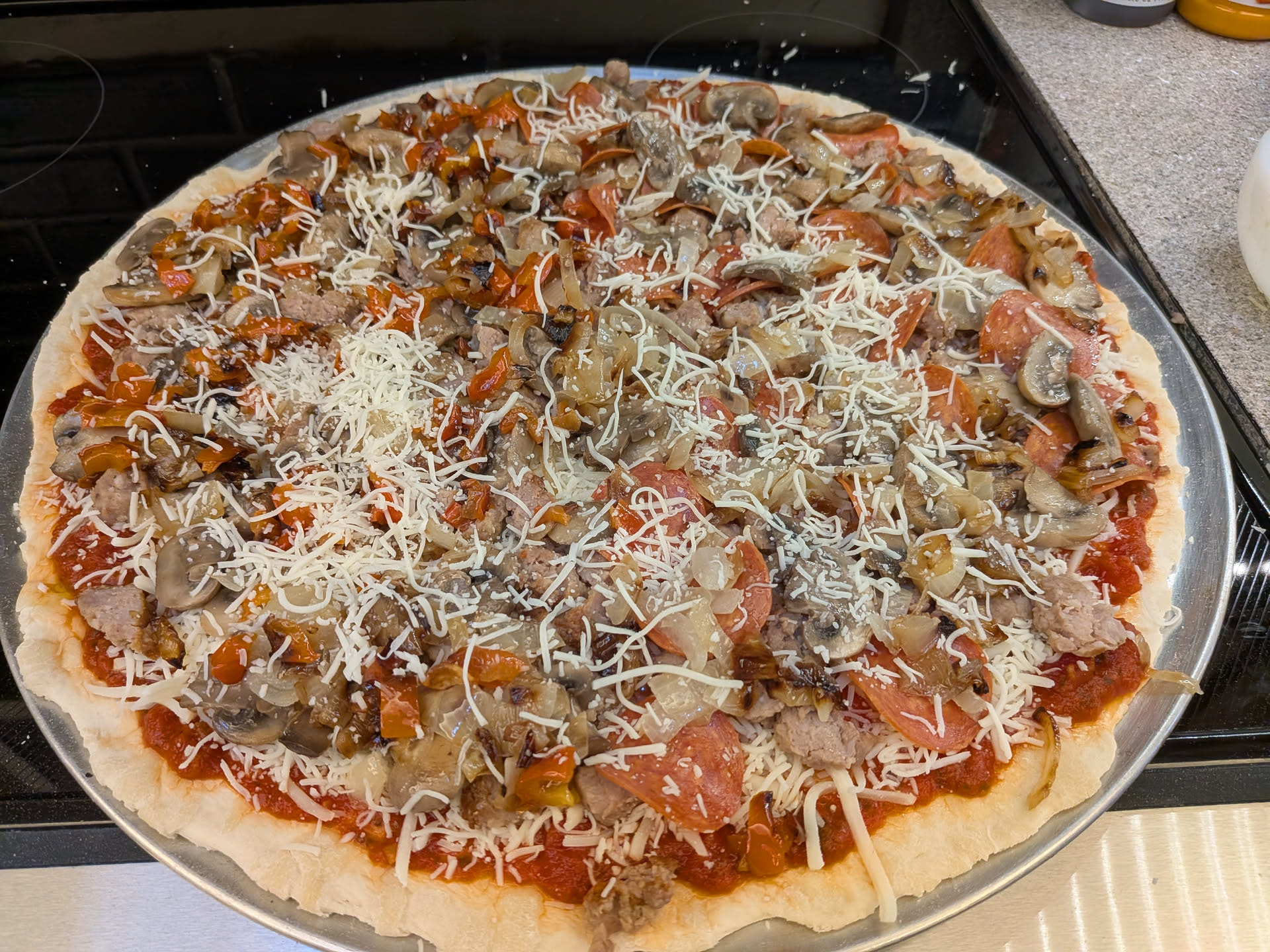
Pizza, a dish that has transcended its Italian roots to become a global culinary staple, owes much of its magic to the dough. Whether you’re a fan of the foldable New York-style thin crust or prefer the substantial bite of a Chicago deep dish, understanding the intricacies of pizza dough is key. In this report, we will delve into the world of homemade pizza dough, analyzing the ingredients and techniques that cater to various pizza styles and preferences.
The Ingredients That Matter
The beauty of pizza dough lies in its simplicity. At its core, pizza dough consists of just a handful of ingredients: flour, water, salt, yeast, and olive oil. However, the proportions and handling of these ingredients can dramatically alter the texture and flavor of the finished product.
Round Pizza Dough: Thin-Crust vs. Medium-Thin-Crust
When it comes to round pizzas, such as the New York-style, the crust is thin enough to be folded, yet strong enough to hold toppings. This style is often contrasted with a slightly thicker medium-thin crust. Below is a table detailing the ingredient measurements for both thin and medium-thin crusts using 13-inch and 18-inch pans.
| Ingredient | 13" Thin-Crust (g) | 13" Medium-Thin-Crust (g) | 18" Thin-Crust (g) | 18" Medium-Thin-Crust (g) |
|---|---|---|---|---|
| Flour | 200 | 250 | 350 | 400 |
| Water | 130 | 160 | 230 | 260 |
| Salt | 4 | 5 | 7 | 8 |
| Rapid Yeast | 1.5 | 2 | 2.5 | 3 |
| Olive Oil | 5 | 10 | 8 | 15 |
The key difference between thin and medium-thin crusts lies in the hydration and the amount of olive oil, which affects the dough’s elasticity and flavor. New York-style pizzas are known for their chewy texture and crisp edges, achieved through a careful balance of these ingredients.
Deep Dish Pizza Dough
Chicago-style deep dish pizza, characterized by its thick, buttery crust and towering layers of cheese and toppings, requires a different dough approach. Deep dish dough is richer, often incorporating more oil and even butter, to create that signature flaky texture. The table below outlines the ingredient measurements for deep dish pizzas using 9x9 inch and 18x8 inch pans.
| Ingredient | 9x9" Deep Dish (g) | 18x8" Deep Dish (g) |
|---|---|---|
| Flour | 300 | 600 |
| Water | 180 | 360 |
| Salt | 6 | 12 |
| Rapid Yeast | 3 | 6 |
| Olive Oil | 20 | 40 |
Deep dish dough is often less hydrated than thin-crust dough, resulting in a denser, more structured crust that can support heavier toppings. The addition of olive oil and sometimes butter not only adds flavor but also contributes to the crust’s characteristic flakiness.
Crafting the Perfect Dough
Each type of pizza demands a specific dough-making technique. For thin-crust pizzas, a high-hydration dough is key to achieving the desired elasticity and chewiness. This involves a longer fermentation period, sometimes overnight, to develop flavor and texture. In contrast, deep dish dough benefits from a shorter fermentation period and a careful lamination process to create its distinct layers.
Perspectives and Preferences
Pizza enthusiasts often debate the merits of different crust styles. Thin-crust advocates, such as @NYCPizzaLover, argue that the simplicity and foldability of a New York slice make it the quintessential pizza experience. On the other hand, deep dish aficionados, like @ChicagoDeepDishFan, praise the hearty nature and complex flavors of a well-made Chicago-style pizza.
Ultimately, the choice between thin and deep dish is a matter of personal preference, influenced by factors such as regional identity, texture preference, and topping combinations.
Conclusion
Whether you’re a thin-crust purist or a deep dish devotee, understanding the fundamentals of pizza dough can elevate your homemade pizza experience. By carefully selecting and balancing ingredients, you can craft dough that suits your taste and style. As @PizzaChefExpert often says, “A great pizza starts with great dough.”
Hashtags
#PizzaDough #HomemadePizza #PizzaLovers
crossai.dev:{“make”: “openai”, “model”: “gpt-4o”}
What is the trick to a golden brown crust?
For dough like this, the biggest tricks are heat, sugar availability, and oil balance.
A golden brown crust usually comes from these:
- Bake hotter than you think Preheat the oven and stone/steel thoroughly, ideally 45–60 minutes.Home ovens do much better at 500–550°F if they can.
- Use enough fermentation time A 24–72 hour cold ferment helps convert starches into sugars, which brown better.
- Don’t overdo flour on the outside Excess bench flour leaves a pale, dusty bottom.
- A little oil helps browning Your oil levels are reasonable. For more color, a small bump can help, especially on medium-thin crust.
- Add a tiny bit of sugar or malt if needed If your crust stays blond, add about 1–2% sugar by flour weight.For 250 g flour, that is 2.5–5 g.Diastatic malt in a very small amount also helps.
- Bake on steel, not a cool pan Pizza steel gives much better bottom browning than a typical pan.
- Brush exposed rim lightly with oil Especially for deep dish or thicker rims, this helps the top edge turn golden.
- Don’t overload with wet toppings Too much sauce or fresh mozzarella can keep the crust pale.
For your formulas, the most likely missing piece is longer ferment + very high preheat + steel.
If you want, I can turn your table into a version optimized specifically for better browning in a home oven.
Credit: ChatGPT 5.4