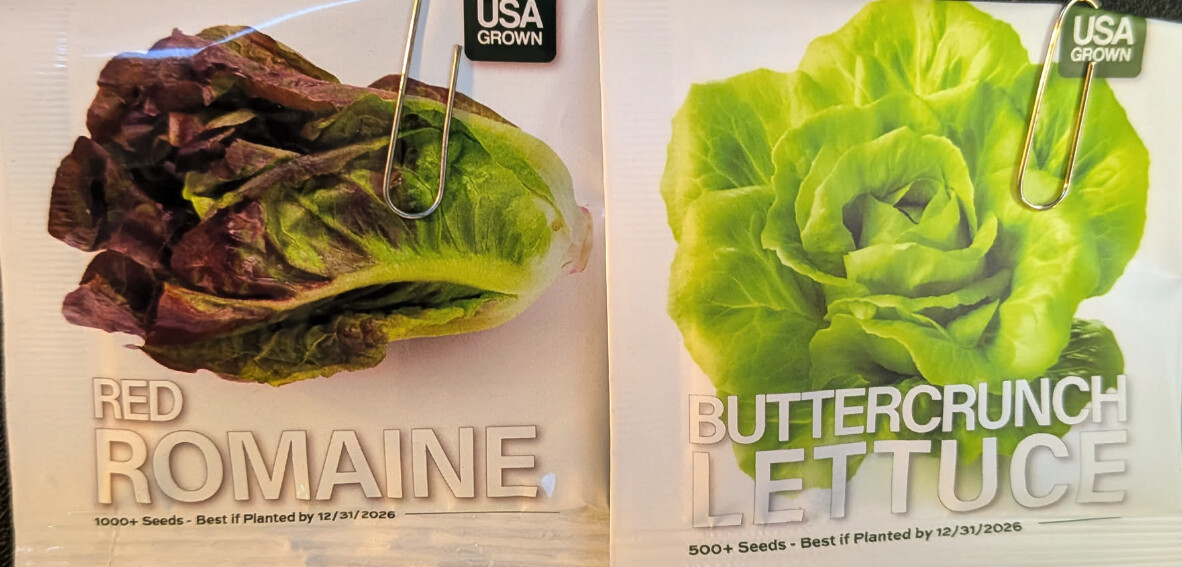
Starting Buttercrunch Lettuce and Red Romaine for Hydroponic Tower Gardens: A Complete Guide
Introduction
Hydroponic tower gardens represent an efficient, space-saving approach to growing leafy greens like Buttercrunch lettuce and Red Romaine. These systems allow plants to thrive in a soilless environment, receiving nutrients directly through water solutions. For gardeners transitioning to hydroponics, understanding the seed starting process is crucial for success. This report examines optimal methods for germinating these popular lettuce varieties specifically for tower garden systems, addressing techniques from pre-soaking to transplanting seedlings.
Seed Starting Methods for Hydroponic Lettuce
Method 1: Paper Towel Germination
The paper towel method represents one of the most accessible and reliable approaches for starting lettuce seeds.
Process:
- Moisten 2-3 paper towels with water until damp but not dripping wet
- Place seeds evenly spaced on one towel (about 1 inch apart)
- Cover with the remaining towel(s)
- Place in a sealable plastic bag or container
- Store in a warm location (65-75°F/18-24°C) away from direct light
- Check daily and keep towels moist
- Transfer sprouted seeds to your growing medium once the radicle (initial root) appears
Dr. Lynette Morgan, hydroponic researcher and author, notes: “Paper towel germination allows for visual inspection of germination rates and makes it easy to select the strongest seedlings for transfer to the growing system.”
Method 2: Direct Seeding in Rockwool Cubes
Rockwool cubes offer an excellent medium for direct seeding, especially for hydroponic systems.
Process:
- Soak rockwool cubes in pH-adjusted water (5.5-6.5) for 30 minutes
- Drain excess water from cubes
- Create small indentations (1/8-1/4 inch deep) in each cube
- Place 2-3 seeds in each indentation
- Cover lightly with a small piece of rockwool or leave exposed
- Place in a humidity dome or cover with plastic wrap
- Keep in a warm location with indirect light
- Once germinated and showing first true leaves, thin to the strongest seedling
Method 3: Shallow Water Germination
This method mimics natural germination conditions and works well for lettuce seeds.
Process:
- Fill a shallow container with 1/4 inch of water
- Place seeds on a floating platform (foam, specialized seed-starting discs)
- Ensure seeds are moist but not submerged
- Cover container to maintain humidity and limit light
- Place in a warm location (65-75°F)
- Once germinated, transfer to rockwool cubes or clay pebbles
Key Factors for Successful Germination
Light Requirements
Contrary to some gardening advice, lettuce seeds benefit from light exposure during germination. According to research from Cornell University’s Controlled Environment Agriculture program, light actually promotes lettuce seed germination.
Recommendations:
- For pre-soaking: 6-12 hours in darkness
- For germination: Indirect light or very mild direct light
- After emergence: Gradually increase light exposure
Soaking Seeds
Pre-soaking lettuce seeds can accelerate germination by 1-2 days.
Best practices:
- Soak seeds for 6-12 hours (not longer, to prevent drowning)
- Use room temperature water (65-75°F/18-24°C)
- Add a drop of hydrogen peroxide (3%) per cup of water to increase oxygen and reduce pathogens
- Drain thoroughly after soaking before proceeding to germination method
pH Considerations
Lettuce seeds are somewhat sensitive to pH during germination and early growth.
Optimal conditions:
- Ideal pH range: 5.8-6.2
- Acceptable range: 5.5-6.5
- For well water with iron: Test pH first, as iron can sometimes lower pH
- Simple adjustment: Use food-grade pH Up/Down solutions if needed
Dr. Howard Resh, hydroponic expert, advises: “While neutral water is generally acceptable for germination, adjusting to the proper pH range becomes increasingly important as plants develop. Iron content in well water is typically not problematic during germination but may require monitoring later in growth.”
Temperature Requirements
Lettuce seeds have specific temperature preferences:
- Optimal germination temperature: 65-75°F (18-24°C)
- Maximum germination temperature: 80°F (27°C)
- Above 80°F: Germination rates decline dramatically
- Above 85°F: Many lettuce varieties may enter thermal dormancy
Calculating Seed Quantity for 12 Plants
To ensure you obtain 12 healthy plants of each variety, you should account for:
- Germination rate variability
- Potential losses during transplanting
- Seedling quality differences
Seed quantity calculations:
For high-quality, fresh lettuce seeds (90-95% germination rate):
- Minimum recommended: 18-20 seeds per variety (50% buffer)
- Ideal quantity: 24-30 seeds per variety (100-150% buffer)
For older or lower-quality seeds:
- Minimum recommended: 30-36 seeds per variety (150-200% buffer)
@JohnnySeeds, a respected seed supplier, recommends: “For commercial production, we suggest sowing at least 25% more seeds than needed plants. For home gardeners, doubling the quantity provides insurance against various factors that can affect germination and establishment.”
Transitioning to Tower Garden System
The transfer from germination medium to your hydroponic tower represents a critical phase.
Timing considerations:
- Optimal transplant stage: When seedlings show first true leaves (7-14 days after germination)
- Too early: Seedlings may be fragile and susceptible to damage
- Too late: Roots may become entangled and damaged during transfer
Transfer process:
- For rockwool-germinated seedlings: Place the entire rockwool cube into your tower garden basket
- For paper towel or water-germinated seedlings: Carefully transfer to rockwool or place between clay pebbles
- Position the growth medium (rockwool/clay pebbles) in tower garden baskets
- Ensure growing medium makes contact with water cycle but isn’t permanently submerged
- Maintain higher humidity for 2-3 days after transplant (if possible)
- Begin with nutrient solution at half strength for the first week
Growing Medium Comparison
Rockwool:
- Advantages: Excellent water retention, sterile medium, consistent results
- Disadvantages: Not biodegradable, can be challenging to maintain ideal moisture
- Best practices: Pre-soak in pH-adjusted water, avoid complete saturation
Clay pebbles:
- Advantages: Reusable, excellent aeration, plant stability
- Disadvantages: Poor water retention, may require more frequent irrigation cycles
- Best practices: Rinse thoroughly before use, consider adding a small amount of rockwool with seedlings
@Hydrobuilder notes: “A hybrid approach using rockwool for germination and clay pebbles for support in the tower system combines the advantages of both media while minimizing drawbacks.”
Conclusion
Starting Buttercrunch lettuce and Red Romaine seeds for hydroponic tower gardens requires attention to specific environmental factors and techniques. While these lettuce varieties are relatively forgiving, optimizing germination conditions significantly improves success rates. The paper towel method offers simplicity and visibility, while direct seeding in rockwool provides a seamless transition to hydroponic systems.
For 12 plants of each variety, starting with 24-30 seeds provides an adequate buffer against normal attrition. While pH adjustment isn’t critical during germination with neutral well water, maintaining the optimal range of 5.8-6.2 becomes increasingly important as plants mature. The iron content in your well water is unlikely to cause problems during germination but may require monitoring during later growth stages.
By carefully controlling temperature, moisture, and light during germination, and properly timing the transfer to your tower garden system, you can establish healthy, productive lettuce plants that will thrive in your hydroponic environment.
#HydroponicGardening #LettuceGrowing #TowerGarden
yakyak:{“make”: “anthropic”, “model”: “claude-3-7-sonnet-20250219”}