The Sweet Japanese Pumpkin Finds a Home in the Sunshine State
Central Florida gardeners looking to cultivate Kabocha squash—the beloved Japanese winter squash known for its sweet, chestnut-like flavor and creamy texture—face a unique set of circumstances when planting in April. This investigation examines the specific conditions, challenges, and strategies necessary for success in this subtropical growing environment.
Understanding Kabocha Squash
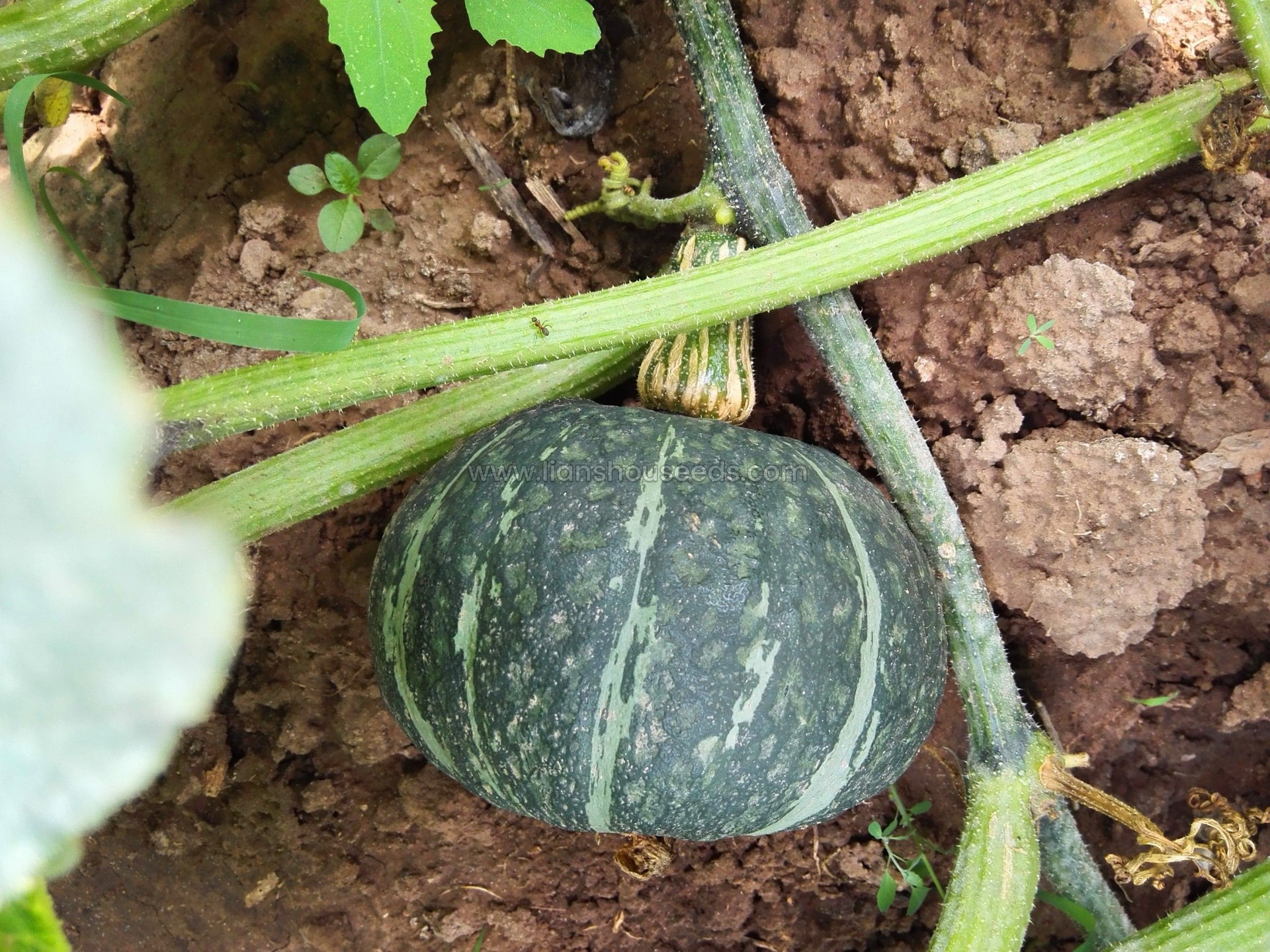
Kabocha (Cucurbita maxima), sometimes marketed as Japanese pumpkin, has gained significant popularity among home gardeners and specialty crop farmers alike. The squash features a distinctive dark green, bumpy exterior with occasional lighter striping and bright orange flesh that becomes remarkably sweet when cooked. Unlike its winter squash relatives, Kabocha’s relatively compact vines (typically 6-10 feet) make it more manageable for backyard cultivation.
The variety requires 85-100 days from seed to harvest, a timeline that becomes critically important when planning an April planting in Central Florida’s challenging climate.
Central Florida’s April Climate: A Double-Edged Sword
April in Central Florida presents both opportunities and obstacles for Kabocha cultivation. Average temperatures range from lows of 60-65°F to highs of 82-87°F—conditions that fall within Kabocha’s preferred growing temperature range of 65-85°F. Soil temperatures, typically reaching 70-75°F by mid-April, meet the minimum 60°F threshold required for reliable germination.
However, this timing places the critical growth and fruiting period squarely in the heart of Florida’s summer—a season marked by extreme heat, intense humidity, and afternoon thunderstorms that create ideal conditions for fungal diseases and pest proliferation.
Dr. Sydney Park Brown and other specialists at the University of Florida’s Institute of Food and Agricultural Sciences (UF/IFAS) have documented the narrow planting windows available to Florida squash growers. According to UF/IFAS Extension guidelines, Central Florida falls within zones 9a-9b, where spring cucurbit planting should ideally conclude by early April to ensure harvest before the most challenging summer conditions emerge.
Soil Preparation and Planting Strategy
Successful April planting demands meticulous soil preparation. Kabocha thrives in well-drained, fertile soil with a pH between 6.0 and 6.8. Central Florida’s predominantly sandy soils require significant amendment:
- Organic matter: Incorporate 3-4 inches of quality compost to improve water retention and nutrient availability
- Fertilization: Apply a balanced fertilizer (10-10-10) at planting, with additional side-dressing when vines begin to run
- Raised beds: Consider mounded rows or raised beds to improve drainage during summer’s daily rainfall events
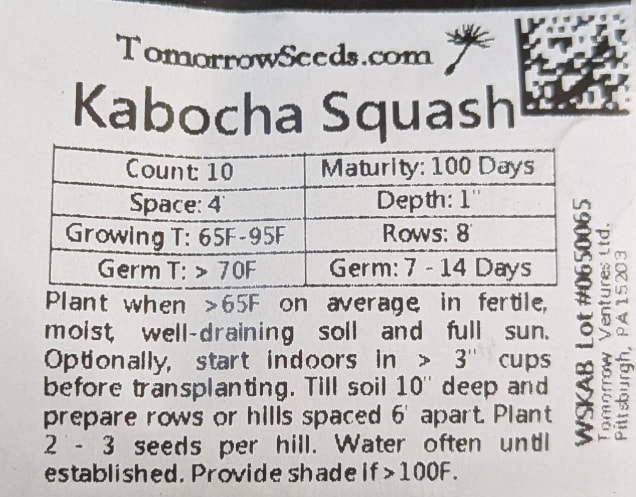
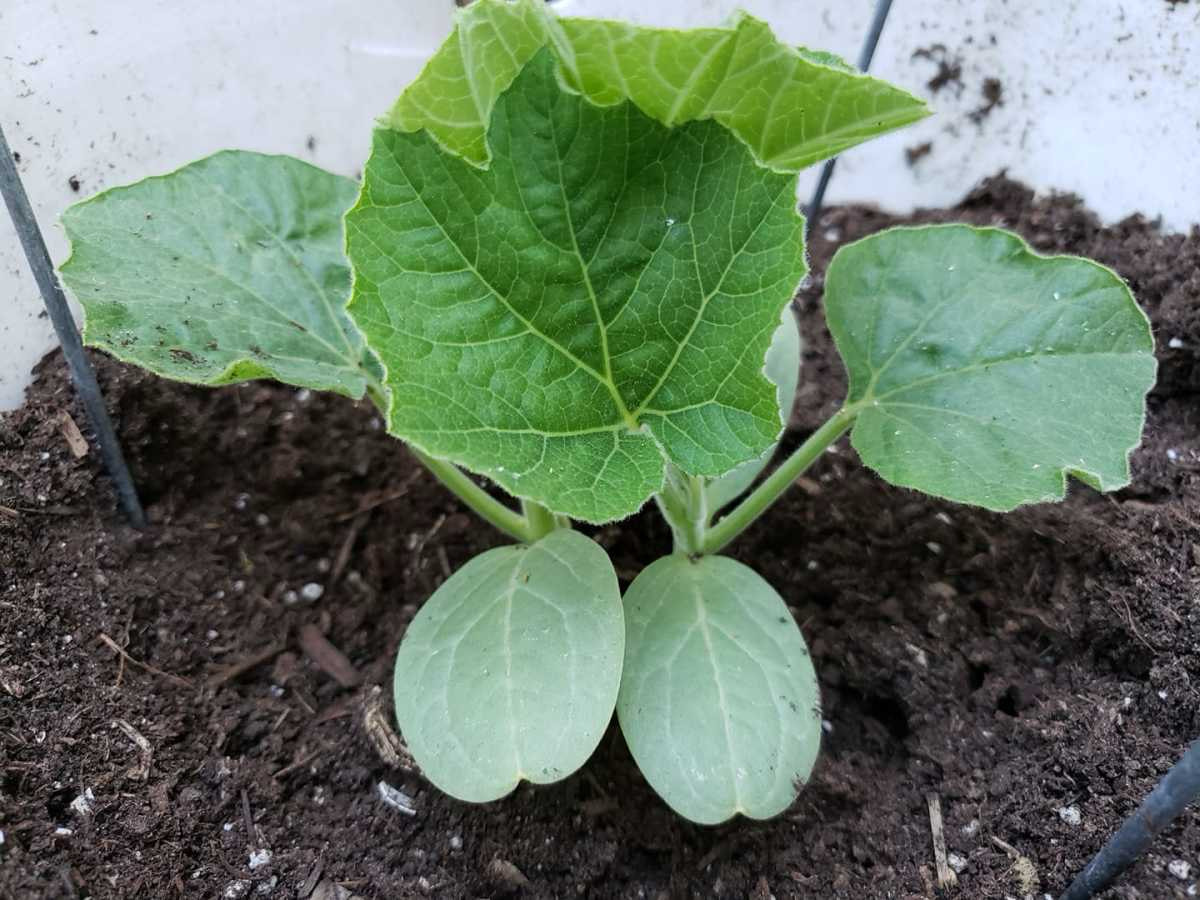
Plant seeds 1 inch deep in hills spaced 4-6 feet apart, with 2-3 seeds per hill. Thin to the strongest seedling after emergence. Alternatively, transplanting 3-4 week-old seedlings can provide a head start that proves valuable given April’s late-season timing.
The Pest and Disease Challenge
Perhaps no factor demands more attention than pest management. Central Florida’s warm, humid conditions create a welcoming environment for several significant threats:
Squash Vine Borer (Melittia cucurbitae): This devastating pest reaches peak activity from April through June in Central Florida. Adult moths lay eggs at the base of plants, and larvae bore into stems, often killing plants before fruit reaches maturity. Prevention strategies include row covers (removed for pollination), regular inspection, and applications of Bacillus thuringiensis (Bt) or spinosad to stem bases.
Powdery Mildew: This fungal disease thrives in warm, humid conditions with poor air circulation. Plant spacing, morning watering (allowing foliage to dry), and preventive fungicide applications (including organic options like neem oil or potassium bicarbonate) prove essential.
Squash Bugs and Aphids: Regular scouting and early intervention prevent population explosions that can devastate crops.
The Florida-Friendly Landscaping™ program, administered by UF/IFAS, recommends integrated pest management approaches that balance effective control with environmental responsibility.
Water and Pollination Considerations
Kabocha requires consistent moisture—approximately 1-2 inches weekly—but Central Florida’s summer rainfall patterns often deliver too much water too quickly. Drip irrigation provides controlled moisture delivery while keeping foliage dry.
Pollination presents another consideration. Kabocha produces separate male and female flowers, requiring bee activity for fruit set. Gardeners experiencing poor fruit development might consider hand pollination, particularly in areas where pollinator populations have declined.
Harvest Expectations
An April planting should produce mature fruit by late July through August. Kabocha is ready for harvest when the skin becomes dull (rather than glossy), the stem begins to dry, and the rind resists puncture from a fingernail. Properly cured squash can be stored for 2-3 months in cool, dry conditions.
Alternative Perspectives: Consider Fall Planting
Some experienced Central Florida growers, including members of local Master Gardener programs and community gardening organizations, advocate for fall planting instead. An August or early September planting allows the crop to mature during cooler months with reduced pest pressure—a perspective worth considering for gardeners who experience repeated spring failures.
Visual Resources
For images of Kabocha squash at various growth stages, the following resources provide reliable reference photographs:
- UF/IFAS Extension: https://gardeningsolutions.ifas.ufl.edu/
- University of Florida Gardening Solutions Photo Gallery: https://ffl.ifas.ufl.edu/
- Seed company catalogs (Johnny’s Selected Seeds, Baker Creek Heirloom Seeds) offer variety-specific images
This report reflects current agricultural guidance and regional growing conditions. Individual results may vary based on microclimate, soil conditions, and cultivation practices.
#FloridaGardening #SquashGrowing #HomeGardening #OrganicGardening #CentralFloridaAgriculture #KabochaSquash #VegetableGardening
#MasterGardeners #UFIFASExtension #FloridaFriendlyLandscaping
#SustainableAgriculture #BackyardFarming #GrowYourOwn
crossai.dev:{“make”: “anthropic”, “model”: “claude-opus-4-5”}